Morning · Islamabad
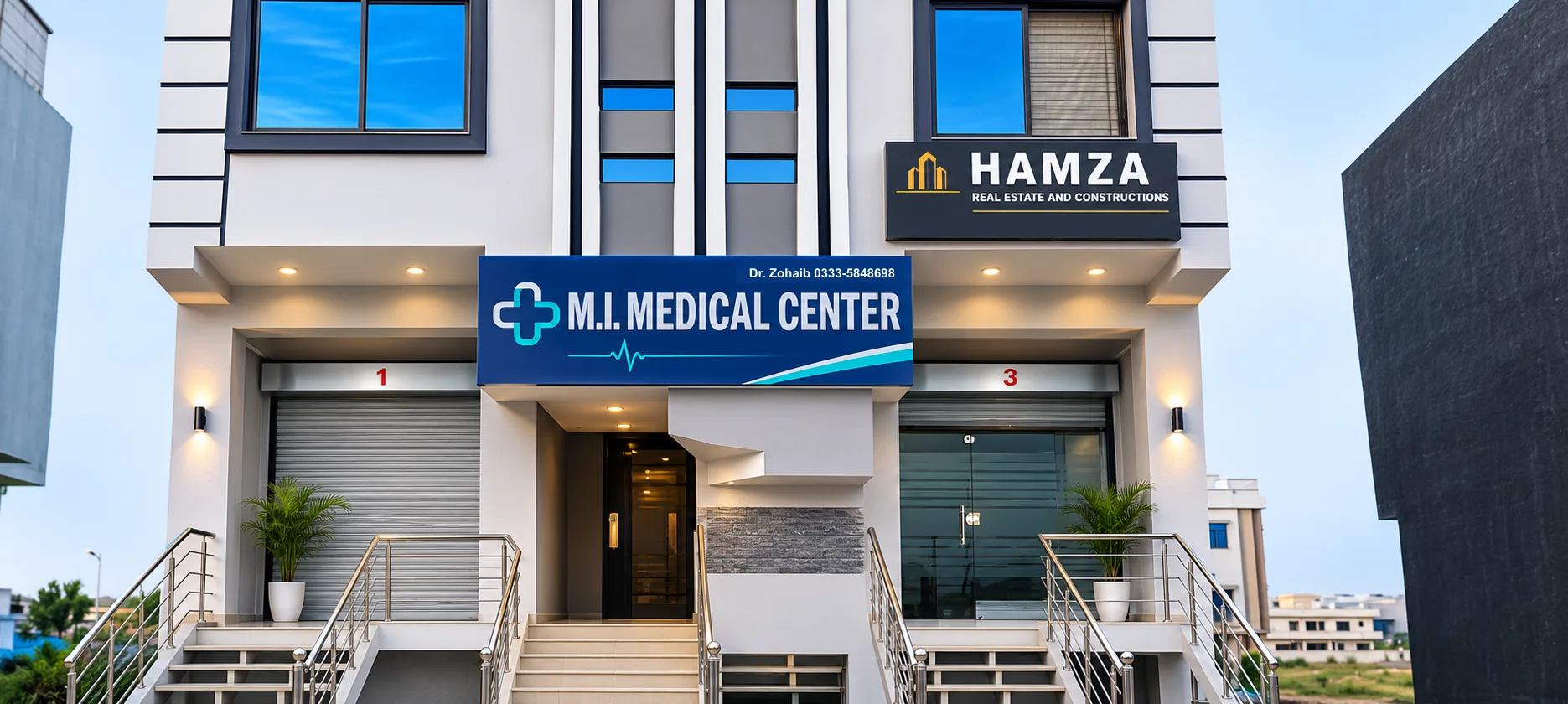
M I Medical Center, Islamabad
Al Hameed Plaza, Street 18, Mini Market, G-16/4, IslamabadMon–Sat, 11:00 am – 4:00 pm · Fee Rs. 1,5000333-5848698
Treatment, dehydration checks and safe recovery.
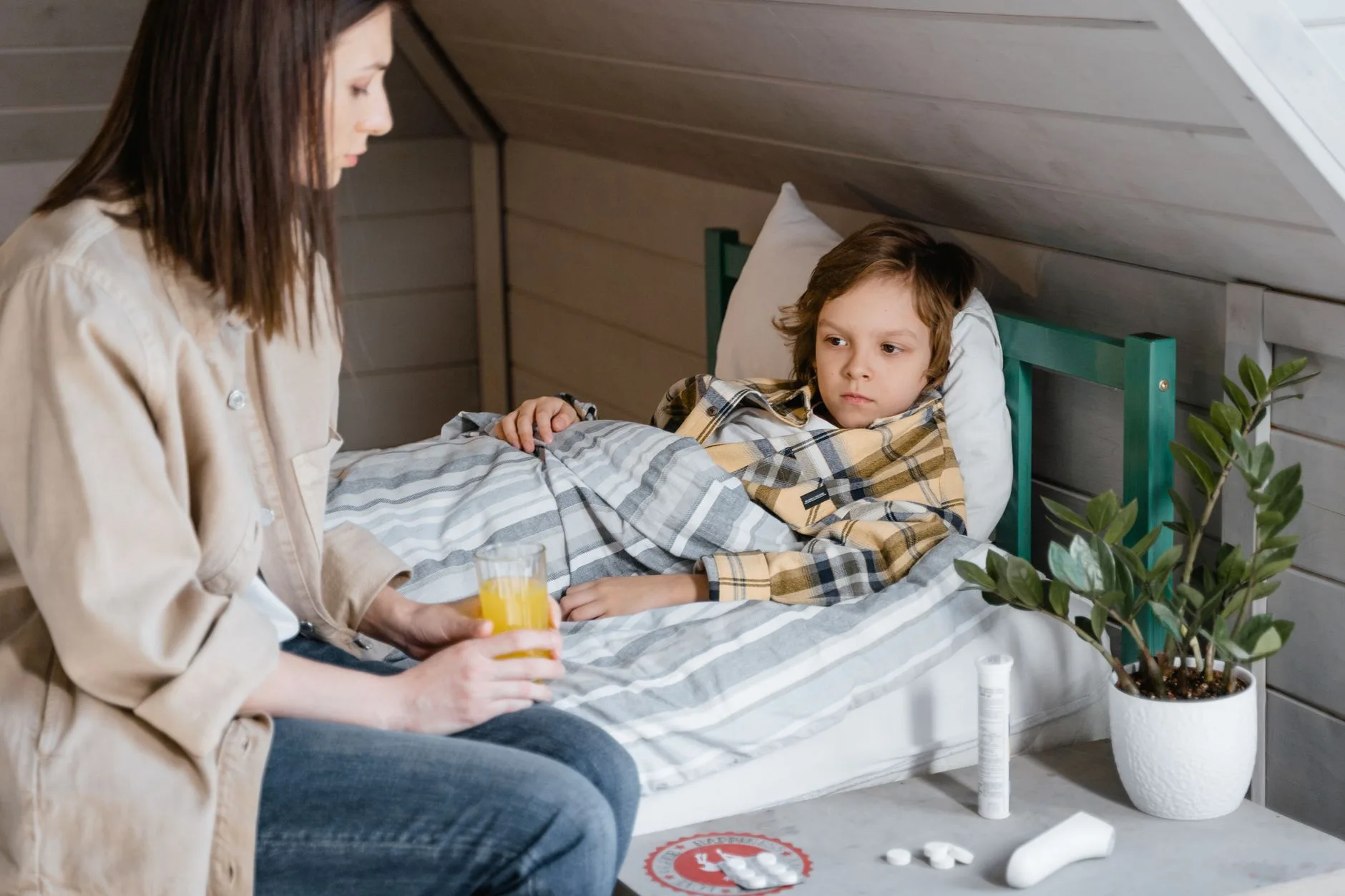
Loose motions become dangerous when a child shows signs of dehydration: fewer wet nappies, no tears, dry mouth, sunken eyes, unusual sleepiness or refusing to drink. Blood in the stool, vomiting everything, or diarrhoea lasting more than a few days also need a doctor. ORS and continued feeding are the first steps at home.

Usually no. Keep breastfeeding and normal feeding. Dr. Zohaib will tell you if any change is needed.
Mix one sachet in the exact amount of clean water written on the packet. Too little water makes it unsafe.
Only for moderate to severe dehydration or if they can't keep fluids down.
From the practice of Dr. H M Zohaib, Child Specialist & Neonatologist. This page is general guidance and does not replace a consultation.
For an emergency, go straight to the nearest hospital emergency or call 1122.